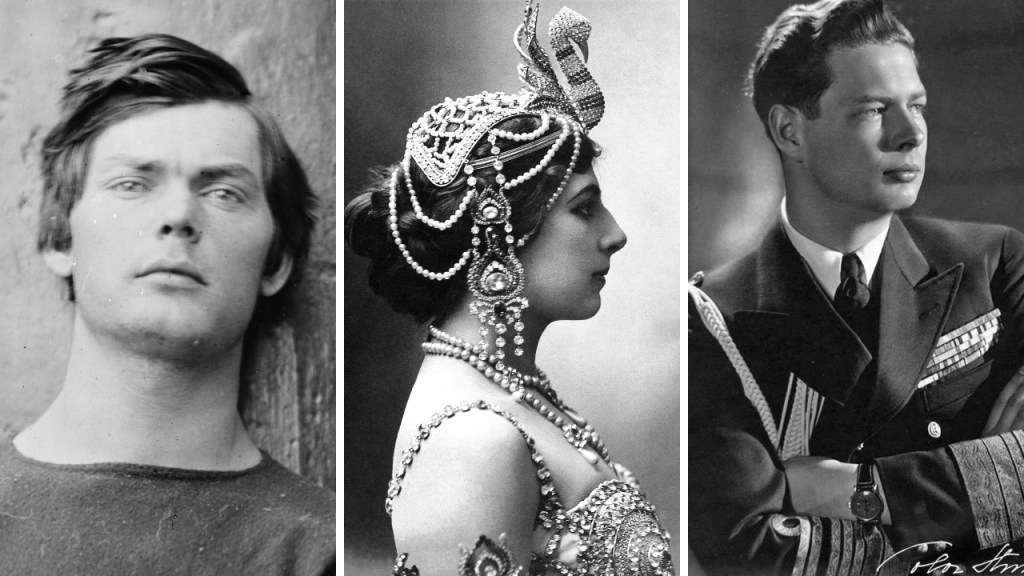
These days, in our digital world, we constantly see the attractive faces of celebrities. But before the internet and the widespread use of photography, how did we know what prominent figures looked like? Thankfully, we have photographic portraits and paintings that have survived to this day to show us.
I’ve hand-selected these historical figures based on my personal standards of beauty. I deliberately excluded widely recognized icons like Marilyn Monroe, Grace Kelly, Elvis Presley, Sophia Loren or John F. Kennedy, whose physical appearances are well-known and often celebrated. Instead, I chose to highlight slightly less obvious examples.
Who is your favorite from my list, and who else would you have added, avoiding the more obvious choices of course?
To read more about them, click on their name.
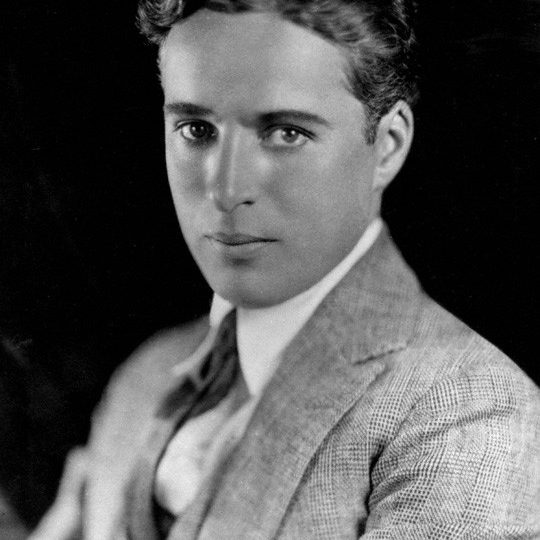
Charles Chaplin (Actor)
Charlie Chaplin, born Charles Spencer Chaplin in 1889 in London, was one of the most pivotal figures in film history, known globally for his iconic character, the Tramp. This character is emblematic of early 20th-century cinema and is cherished for its blend of humor, empathy, and social commentary.
Chaplin’s physical appearance as the Tramp was meticulously crafted with baggy trousers, tight coat, small bowler hat, and large shoes—all of which contributed to the comedic and poignant persona. His most distinctive features included a small mustache and a cane, which became universally recognized symbols of his character.
Off-screen, Chaplin had a sophisticated and elegant demeanor, often seen in sharp suits that contrasted sharply with his on-screen persona. His expressive eyes and charismatic face conveyed deep emotions, which he skillfully used to connect with audiences worldwide, making him not just a master of slapstick but also a profound storyteller. His legacy in film and his visual style continue to influence entertainers and filmmakers around the globe.

Gayatri Devi (Princess of Jaipur)
Gayatri Devi, also known as Maharani Gayatri Devi of Jaipur, was an Indian princess renowned for her breathtaking beauty and elegant style. Born in 1919 into the royal family of Cooch Behar in West Bengal, and later marrying into the royal family of Jaipur, she became an international style icon and one of the most admired royals of her time.
Her appearance was strikingly graceful; she often wore traditional Rajasthani attire that included elaborate, colorful saris and intricate jewelry, which highlighted her royal status and refined taste. Gayatri Devi was also known for her penchant for pearls and chiffon saris, which became synonymous with her name.
Beyond her beauty, she was celebrated for her progressive views and efforts toward education and women’s empowerment in India. Her poise, strength of character, and modern outlook made her a beloved figure not only in India but around the world. Gayatri Devi’s legacy continues to influence the realms of fashion, culture, and politics, making her a timeless figure of elegance and benevolence.
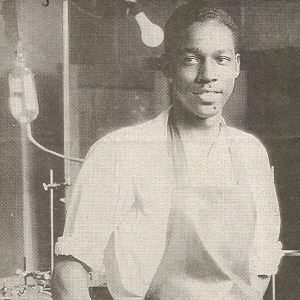
Vivien Thomas (Supervisor of surgical laboratories)
Vivien Thomas was an innovative surgical technician and researcher whose expertise contributed crucially to developing the procedure used to treat blue baby syndrome. Born in 1910 in Louisiana, Thomas faced significant racial barriers throughout his career but persevered to make substantial contributions to medicine.
Despite not having a formal medical degree, Thomas’s intelligence, skill, and calm demeanor under pressure made him an invaluable part of the surgical team at Johns Hopkins University, where he worked closely with Dr. Alfred Blalock. Thomas was a mentor to many surgeons and was known for his meticulous technique and precision.
His appearance was professional and composed, often seen in lab attire that underscored his seriousness and dedication to his work. Thomas’s story is one of resilience and quiet determination, making him not only a pioneer in surgical techniques but also a role model for overcoming adversity through skill and perseverance. His legacy is preserved in the medical community and continues to inspire future generations of healthcare professionals.
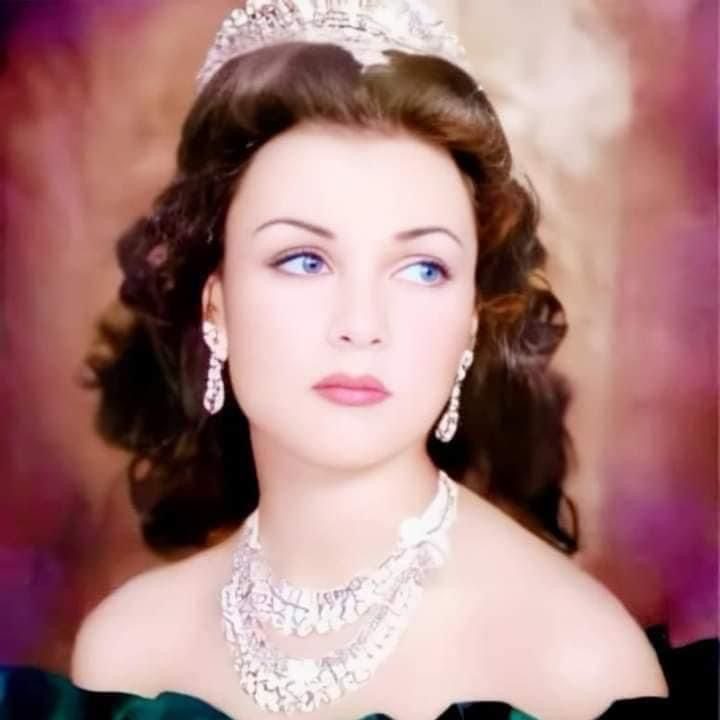
Fawzia Fuad (Egyptian princess)
Fawzia Fuad of Egypt was a princess and queen known for her striking beauty and elegance. Born on November 5, 1921, in Alexandria, Egypt, she was a member of the Egyptian royal family and also became Queen of Iran as the first wife of Mohammad Reza Pahlavi, the last Shah of Iran.
Her beauty was celebrated internationally; she possessed refined features, with large expressive eyes and a graceful poise that was captured beautifully in portraits and photographs.Princess Fawzia was often described as resembling Hollywood actresses of her time, with her glamorous style and sophisticated demeanor.
Her allure was not just in her appearance but also in her bearing, which reflected the elegance and charm expected of a royal. Her life, marked by its fairytale beginnings and later challenges, including her divorce from the Shah and her return to Egypt, continued to be a subject of fascination. She passed away on July 2, 2013, but remains a symbol of royal grace and beauty from a bygone era.
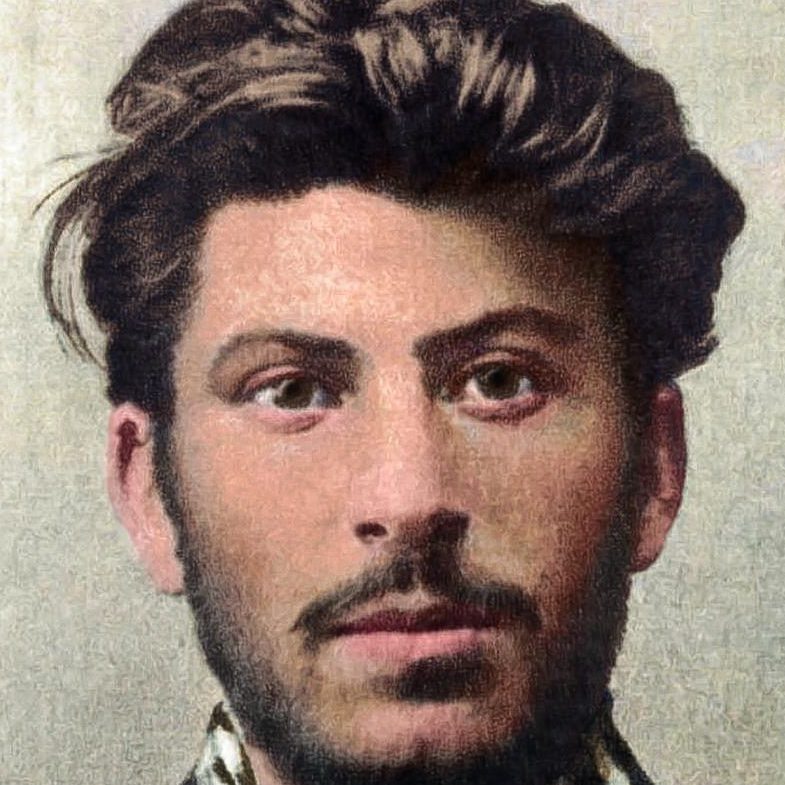
Joseph Stalin (Political Leader)
Joseph Stalin, born Ioseb Besarionis dze Jughashvili in 1878 in Georgia, was a Soviet revolutionary and political leader who ruled the Soviet Union from the mid-1920s until his death in 1953. As a key figure in the Bolshevik victory in the Russian Civil War, and later as the premier of the Soviet Union, he was one of the most powerful and controversial leaders of the 20th century.
In his younger years, before rising to power and becoming synonymous with his iconic mustache, Joseph Stalin was notably handsome, with sharp, distinctive features that stood out even in his early days. He had a full head of dark hair, intense and penetrating eyes, and a clear, smooth complexion, which were often captured in photos from his early revolutionary activities.
Stalin’s youthful appearance was charismatic and compelling, contributing to his ability to attract followers and assert his influence within the Bolshevik movement. This period of his life shows a stark contrast to the later, more familiar images of him as the stern, mustached leader of the Soviet Union.
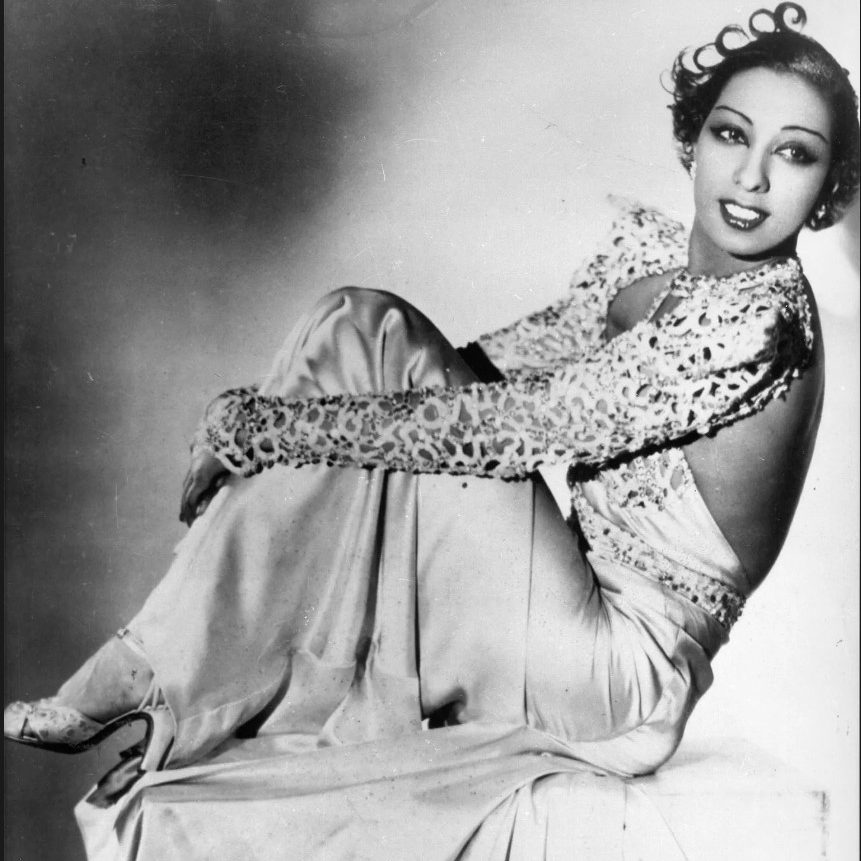
Josephine Baker (Artist)
Josephine Baker, famously dubbed “The Black Pearl,” was celebrated for her mesmerizing beauty and electrifying stage presence from a young age. Born in St. Louis, Missouri, in 1906, she rose to fame in the 1920s, especially in Paris, where she became a symbol of the Jazz Age’s glamour and a trailblazer for African-American artists.
As a young woman, Josephine possessed an alluring and dynamic beauty that was accentuated by her lithe, athletic physique, which lent itself perfectly to her energetic dance performances. Her expressive eyes and captivating smile drew audiences in, while her iconic costumes, including her famous banana skirt, added to her allure and made her an international fashion icon.
Baker’s early appearance exuded charm and confidence, traits that helped her break down racial and cultural barriers. Her style and grace on stage were matched by her bold, pioneering spirit, making her not only a stunning figure in the world of entertainment but also a powerful advocate for civil rights and racial equality.
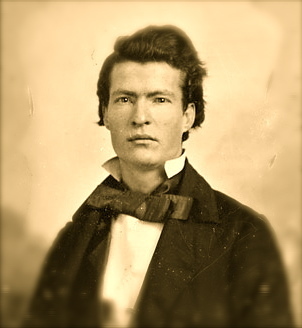
Mark Twain (Writer)
In his youth, Mark Twain, born Samuel Langhorne Clemens in 1835, carried a distinctively vibrant and charismatic appearance. Before his hair turned to the recognizable snowy white, Twain sported dark, unruly locks that matched his keen, adventurous spirit.
His eyes sparkled with wit and intelligence, features that foretold his future as one of America’s most cherished writers and humorists.Twain’s youthful look was complemented by a strong, expressive face that could convey a blend of earnestness and irreverence—traits that would later permeate his literary works.
Even as a young man, there was a hint of the mischievousness that would define his professional persona, making him not only a compelling figure in literature but also a magnetic personality in his social engagements. His early portraits capture this lively, spirited nature, showcasing a man ready to take on the world with a blend of humor and sharp observation.
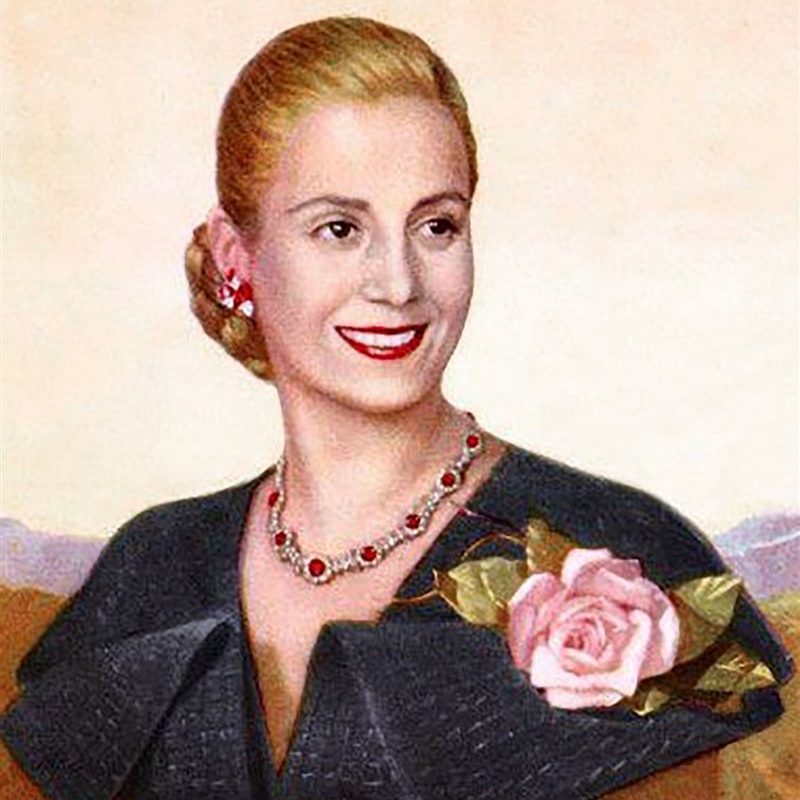
Eva Perón (Political leader)
Eva Perón, affectionately known as Evita, was not only a political figurehead but also a symbol of beauty and charisma in her youth. Born in 1919 in rural Argentina, she rose to prominence through her marriage to Juan Domingo Perón and her tireless advocacy for the working class and women’s rights in Argentina.
From an early age, Eva exuded a radiant beauty characterized by her blonde hair, which she often styled in elegant updos, and her intense, compelling gaze. Her poised and dignified demeanor complemented her commitment to social causes, making her a beloved figure among the Argentine public. Evita’s sense of style was impeccable; she was often seen in sophisticated dresses and suits that enhanced her public image as both a fashion icon and a devoted leader.
Eva Perón’s beauty was matched by her dynamic presence and powerful oratory skills, which she used effectively to connect with and mobilize the masses. Her legacy as a champion of the disenfranchised and a stylish, influential first lady continues to resonate in Argentina and beyond.
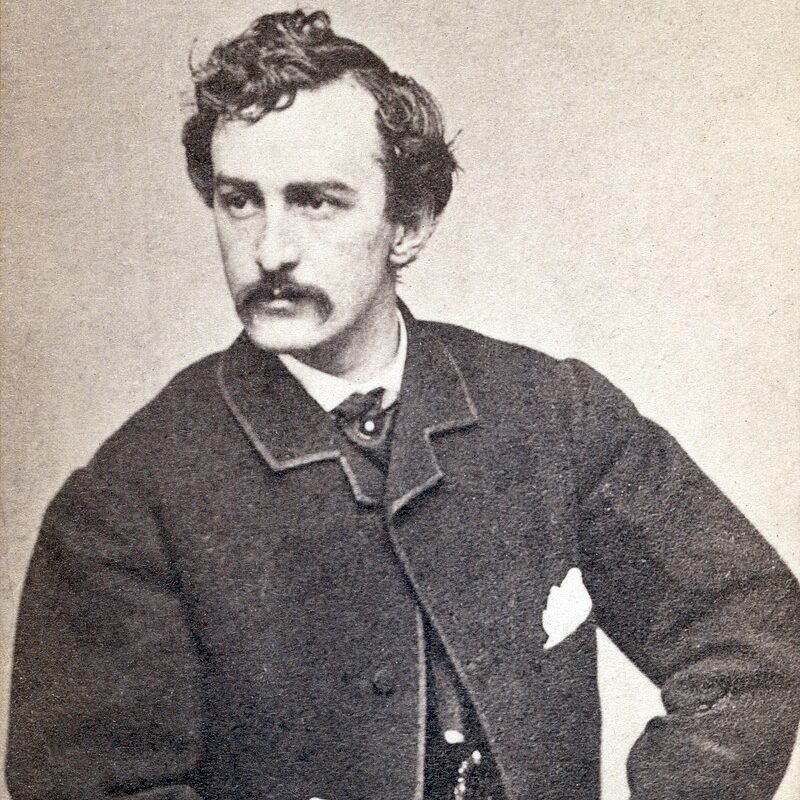
John Wilkes Booth (Actor)
John Wilkes Booth, known infamously for his role in American history, was also noted for his strikingly handsome features during his youth. Born in 1838 into a prominent family of actors, Booth was a celebrated stage actor before he became notorious for the assassination of President Abraham Lincoln.
Booth’s theatrical background contributed to his charismatic presence. He had sharp, expressive features, with deep-set eyes and dark, wavy hair, which helped him command attention both on and off the stage. His compelling looks, combined with his confident demeanor, made him a well-known figure in the theater circuits of the 19th century.
His charm and physical attractiveness added a complex layer to his historical legacy, as these traits, combined with his dramatic flair, made him a memorable figure not just for his political actions but also for his persona as an actor and a public figure.

Ada Lovelace (Mathematician)
Ada Lovelace, born in 1815, is celebrated not only for her intellectual prowess as a pioneering computer programmer but also for her refined and distinct appearance. As the daughter of the poet Lord Byron and Lady Anne Isabella Milbanke Byron, Ada inherited a blend of poetic beauty and mathematical precision.
Lovelace’s portraits reveal a woman with delicate features; she had a thoughtful expression, framed by flowing dark hair, often styled in elegant, Victorian updos. Her deep-set eyes and composed demeanor reflected her introspective nature and intellectual curiosity. Ada’s appearance exuded the grace and formality of her era, often dressed in the ornate gowns typical of 19th-century aristocracy.
Her sophisticated appearance matched her reputation as a brilliant mind, capable of conceptualizing the early ideas of computer programming. Ada Lovelace’s legacy as an intellectual luminary is intertwined with her portrayal as a figure of classic Victorian beauty, embodying the intersection of art and science in her life and work.
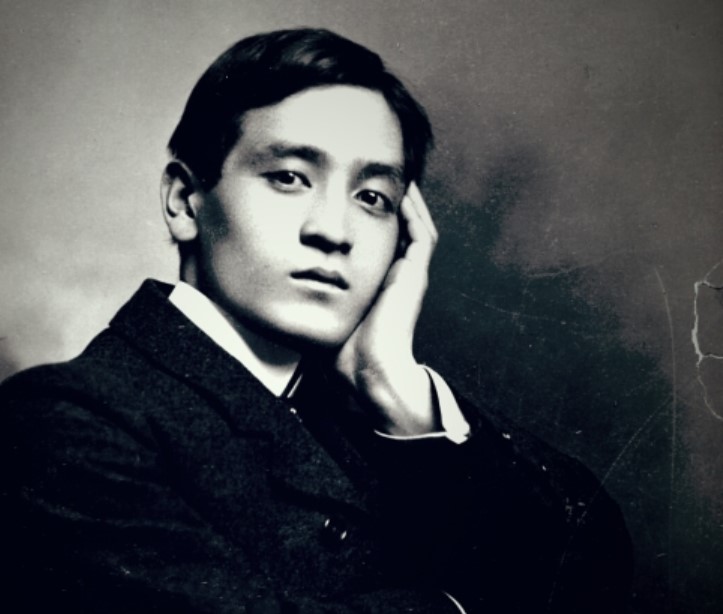
Yone Noguchi (Writer)
Yone Noguchi, born in 1875 in Japan and later emigrating to the United States, was not only a pivotal figure in bridging Eastern and Western literary traditions but also possessed a distinctive and contemplative appearance. As a poet and writer, his persona reflected a blend of his cultural roots and bohemian influences.
Noguchi’s features were marked by a thoughtful expression, often captured in photographs with a serene and slightly reserved demeanor. He typically wore traditional or simple attire that emphasized his introspective nature and scholarly pursuits. His gentle eyes and calm posture conveyed the depth of his thoughts, which were deeply infused with elements of both Japanese aesthetics and Western literary forms.
His appearance complemented his literary works, which often explored complex themes of identity, nature, and the human experience across cultures. Yone Noguchi’s legacy as a cultural mediator is mirrored in his scholarly yet approachable look, making him a notable figure in both literary and cultural history.
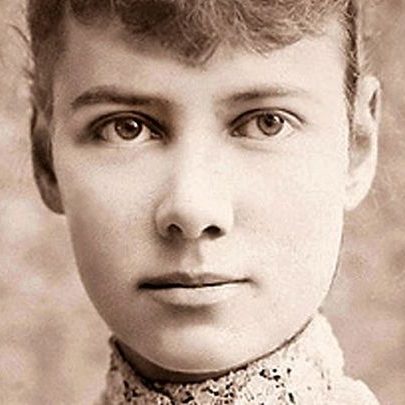
Nellie Bly (Journalist)
Nellie Bly, born Elizabeth Cochran Seaman in 1864, was a pioneering journalist known for her groundbreaking investigative reporting and adventurous spirit. Her persona was marked not only by her tenacity and courage but also by her distinctive appearance.
Bly often presented herself in a manner that combined practicality with a touch of style, which suited her dual role as a reporter and a public figure. Her keen, alert eyes and determined expression reflected her sharp mind and bold character. Typically, she was seen in attire that straddled the line between feminine and functional, such as tailored dresses or skirts suitable for the rigorous demands of investigative journalism.
Her style and appearance communicated her seriousness and professionalism, helping her gain access to the institutions she exposed and the cultures she immersed herself in during her famous travels. Nellie Bly’s look was integral to her identity as a trailblazer in journalism, embodying the very essence of a woman who was far ahead of her time.
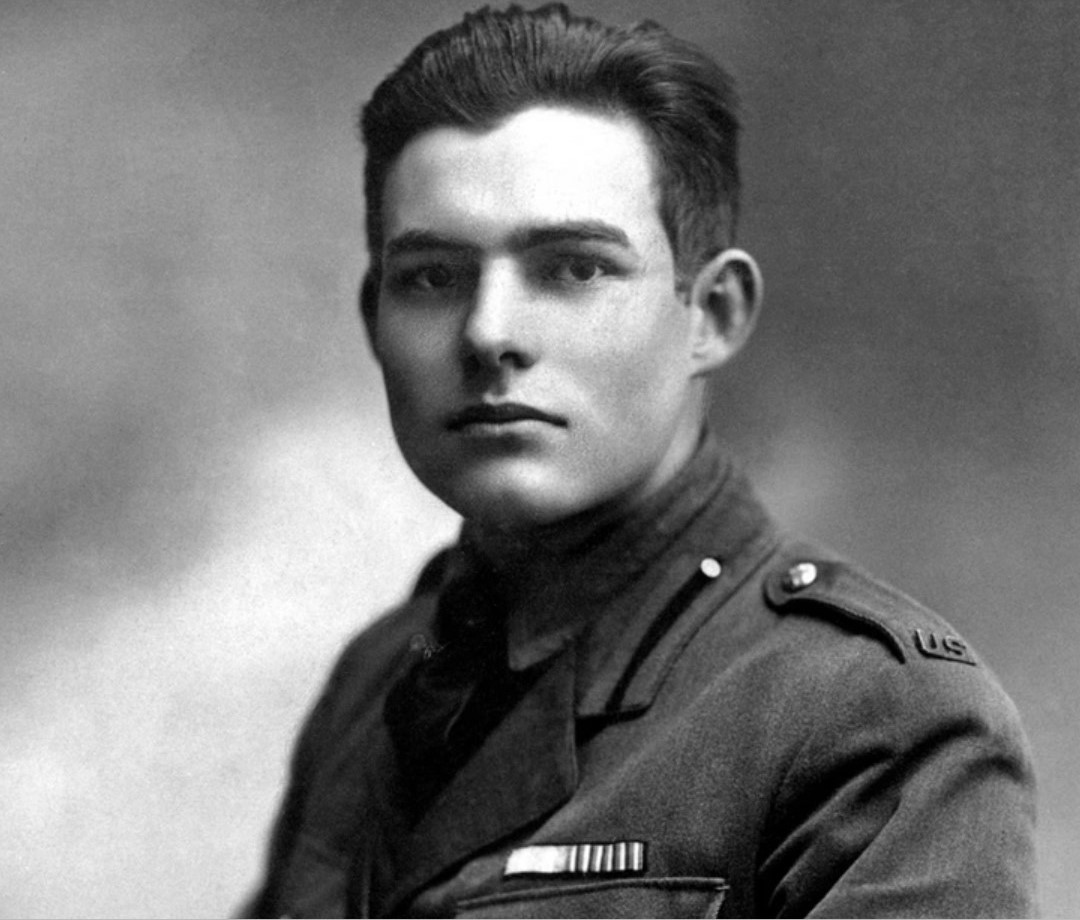
Ernest Hemingway (Writer)
Ernest Hemingway, born in 1899, was not only one of the most influential writers of the 20th century but also had a ruggedly handsome and distinctive appearance that matched his robust personality and adventurous lifestyle. Known for his concise prose and profound stories, Hemingway’s persona was as commanding as his literary output.
He typically sported a clean-shaven look in his younger years, which later gave way to his iconic thick, white beard. Hemingway’s robust build and strong, square jawline complemented his adventurous spirit, often seen in photos from his many travels and outdoor pursuits like fishing and hunting. His deep-set eyes and stern, thoughtful expression reflected the depth and intensity of his thoughts, which poured into his writings.
Hemingway’s style was simple yet masculine, often wearing comfortable, practical clothing that suited his no-frills approach to life. His physical appearance and personal style perfectly embodied the themes of strength, courage, and masculinity that are prevalent in his works.
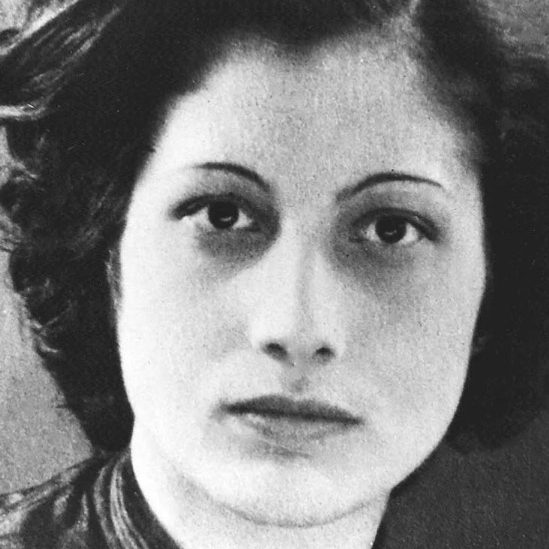
Noor Inayat Khan (Spy WWII)
Noor Inayat Khan was a remarkable figure known for her bravery and dedication as a spy during World War II, as well as for her gentle and elegant appearance. Born in 1914 into Indian royalty, she was the daughter of an Indian Sufi saint and an American mother, which contributed to her diverse cultural heritage and striking features.
Noor possessed a serene beauty, with soft, expressive features framed by long, dark hair. Her poise and grace were evident in her bearing, reflective of her upbringing in a spiritually rich environment. Despite her delicate appearance, Noor was fiercely courageous and determined, qualities that led her to join the Special Operations Executive (SOE) and undertake dangerous missions in Nazi-occupied France.
Her style was simple yet refined, often seen in the modest attire typical of the 1940s. Noor Inayat Khan’s appearance belied her inner strength and resilience, making her not only a captivating figure in history but also a symbol of the profound contrasts between her peaceful demeanor and her daring wartime activities.
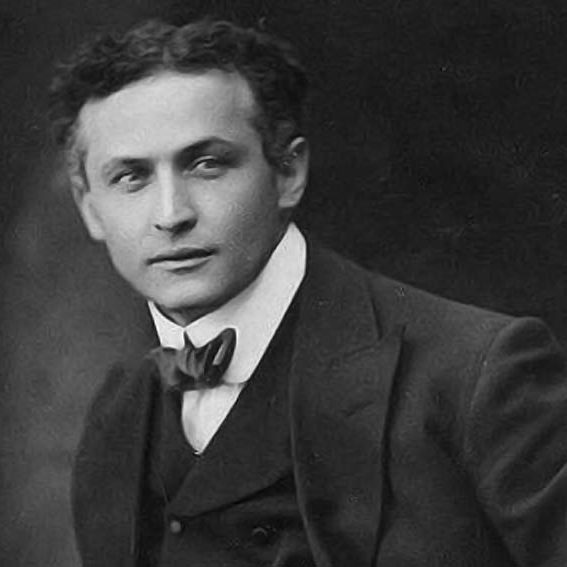
Harry Houdini (Escape artist)
Harry Houdini, born Erik Weisz in 1874, was renowned not just for his astonishing escape acts but also for his compelling stage presence and striking physical appearance. Houdini’s physique was well-suited to his profession; he maintained a muscular and agile build, necessary for the rigorous physical demands of his escape performances.
Houdini’s features were sharp and intense, with piercing eyes that could captivate an audience and convey the dramatic tension of his acts. His expressive face was often highlighted in promotional materials, underscoring his mastery of both physical escapes and theatrical presentation.
In terms of style, Houdini often appeared in the traditional attire of an early 20th-century performer: tuxedo or tailcoat when addressing the public, and minimalistic, tight-fitting garments during his escape acts to aid his movements and add to the visual spectacle. His dynamic appearance and charismatic stage manner helped cement his legacy as one of the most famous magicians and escapologists in history.
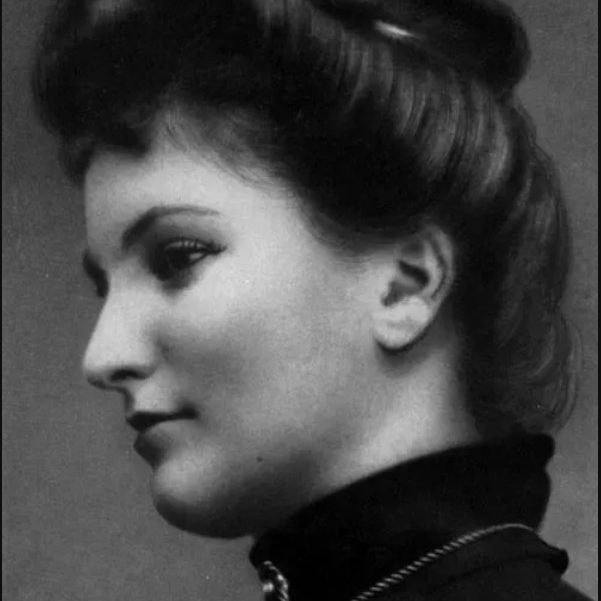
Alma Mahler (Composer)
Alma Mahler, born Alma Maria Schindler in 1879, was renowned not only for her personal artistic talents and intellectual pursuits but also for her striking beauty and charismatic presence. She was an influential figure in the artistic and cultural circles of early 20th-century Vienna, often associated with her marriages to Gustav Mahler, Walter Gropius, and Franz Werfel, as well as her relationship with artist Oskar Kokoschka.
Alma was celebrated for her elegant and sophisticated appearance. She had an alluring presence, with expressive eyes and refined features that captured the attention of many of the leading artists of her time. Her style was impeccable, often wearing fashionable dresses that highlighted her statuesque figure and reflected the artistic sensibilities of the period.
Her beauty and allure were matched by a complex and vibrant personality; Alma was a composer herself, though much of her early work was overshadowed by her relationships with prominent men. Her salons were famous for gathering the intellectual elite of Vienna, making her a muse and a cultural icon in her own right. Alma Mahler’s appearance and persona epitomized the glamour and tumult of the fin-de-siècle period, making her a fascinating figure in the history of modern art and music.
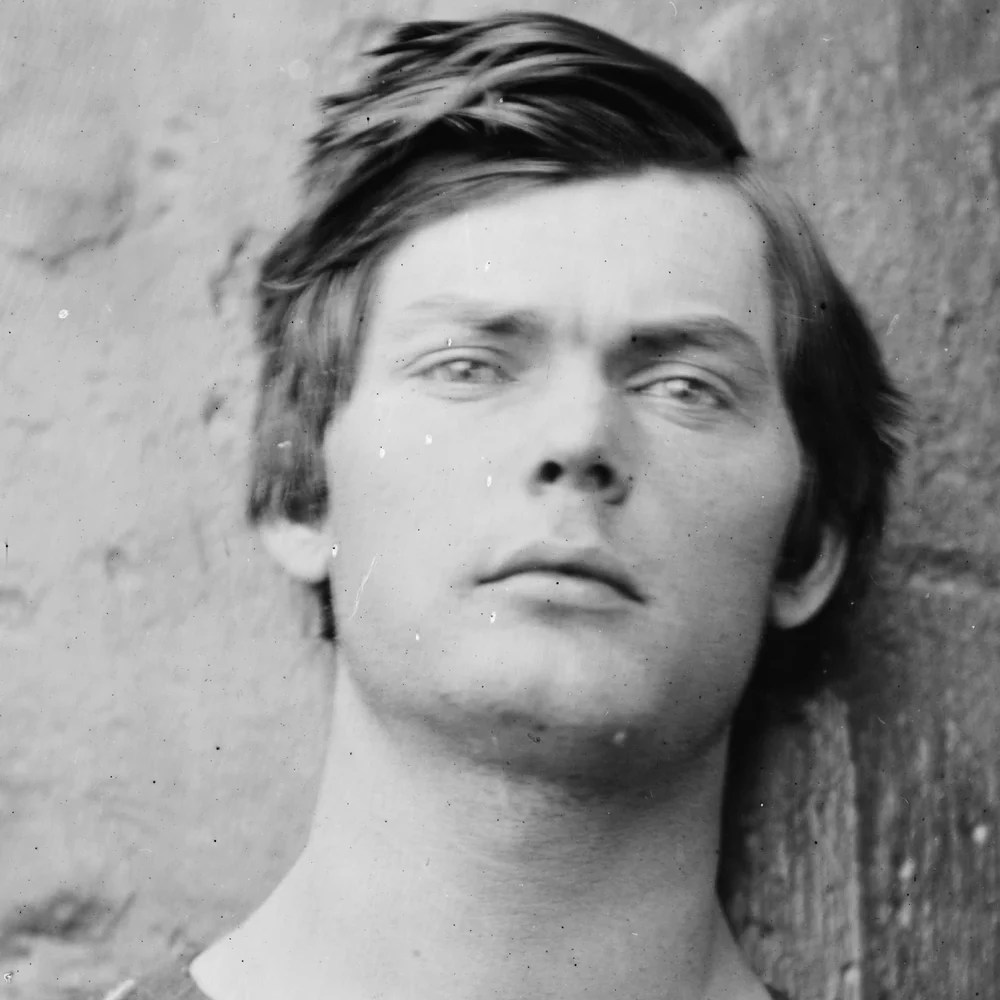
Lewis Powell (Soldier)
Lewis Powell, also known as Lewis Thornton Powell, was a figure in American history known primarily for his involvement in the conspiracy to assassinate President Abraham Lincoln. Born in 1844 in Alabama, Powell was part of the plot orchestrated by John Wilkes Booth and was assigned to kill Secretary of State William H. Seward.
Despite his infamous role in history, contemporaneous accounts and photographs depict Powell as having been strikingly handsome. He had a robust and athletic build, reflecting his upbringing in the rural South and his service as a Confederate soldier. His features were strong and well-defined, with deep-set eyes and thick hair, which added to a certain rugged charisma.
This combination of good looks and physical presence made him a memorable figure, though his actions during the assassination plot cast a shadow over his legacy. His appearance in the widely circulated photographs taken during his imprisonment, including the haunting image captured before his execution, has contributed to the lingering interest in his story and the tragic events surrounding the end of the Civil War.
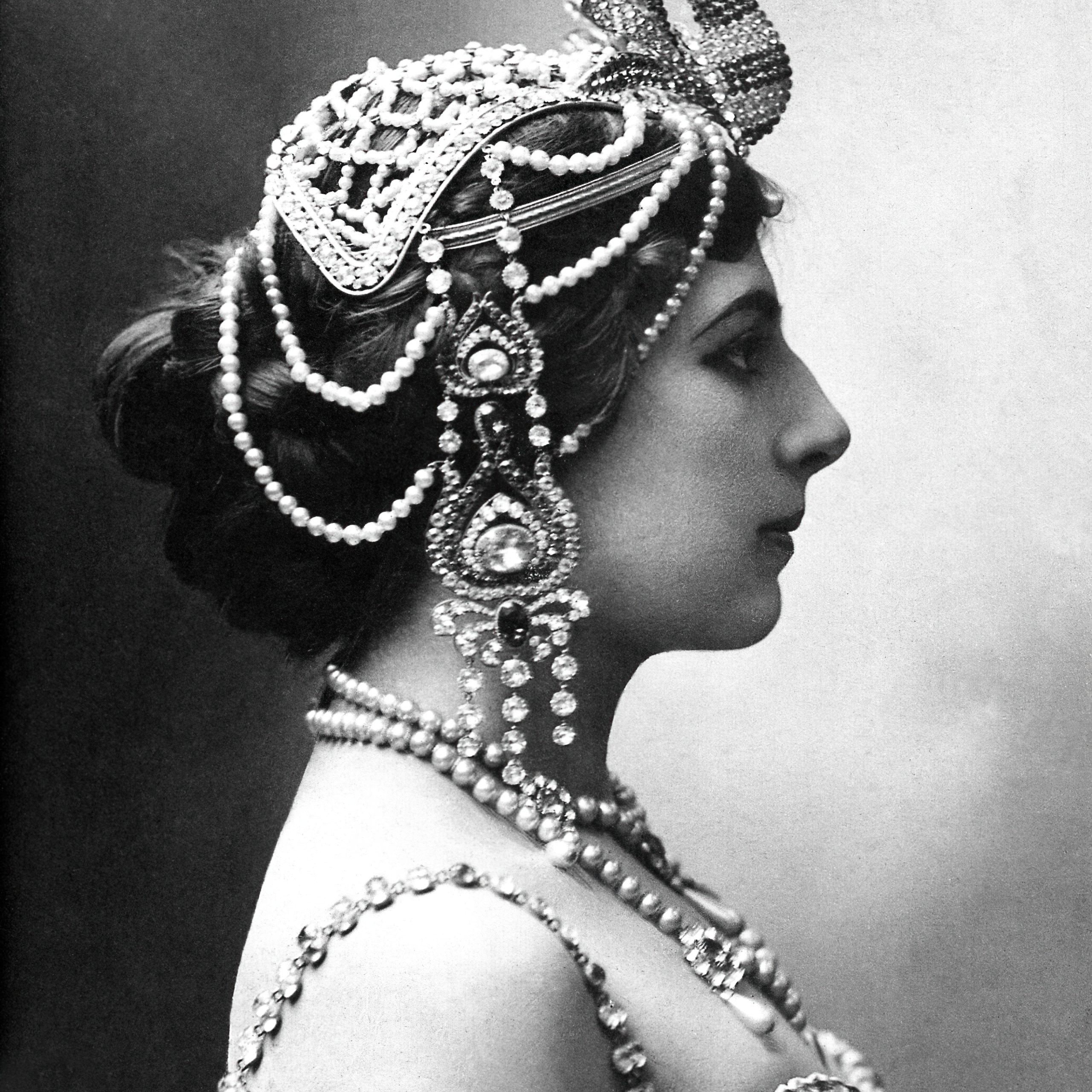
Mata Hari (Dancer)
Mata Hari, born Margaretha Geertruida Zelle in 1876 in the Netherlands, was an exotic dancer and courtesan who became infamous as a spy during World War I. Known for her captivating beauty and alluring stage persona, she embodied the image of the mysterious and seductive femme fatale.
Mata Hari’s physical appearance was striking—she had an exotic look that was accentuated by her choice of lavish, often scant, costumes that reflected her purported Eastern origins. Her performances featured bold, sensual dances that captivated audiences across Europe, utilizing her long dark hair, piercing gaze, and statuesque figure to enchant and entertain.
Her glamorous and exotic style, combined with her adventurous and cosmopolitan lifestyle, made her an iconic figure of early 20th-century intrigue and romance. Even beyond her espionage activities, Mata Hari remains a symbol of the dangerous allure associated with female spies and the complexities of persona versus reality.
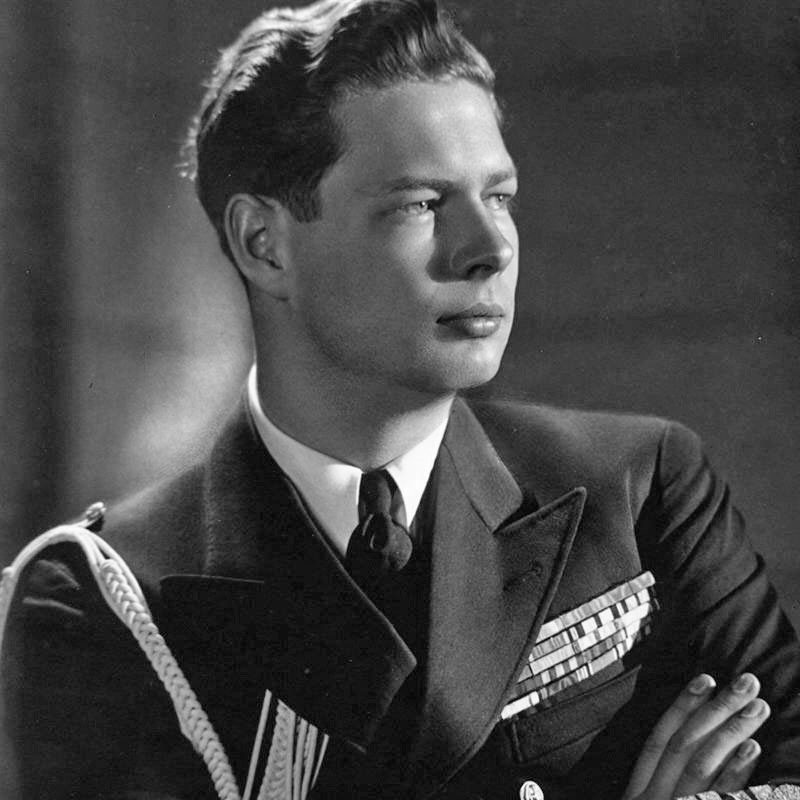
King Mihai I of Romania
King Mihai I of Romania, born in 1921, was a notable figure due to his brief but impactful reigns as king during turbulent times in Romanian and European history. He first became king as a child after the death of his grandfather, King Ferdinand, and then again during World War II after the sudden death of his father, King Carol II.
King Mihai was known for his dignified and handsome appearance. He had refined, classic features that conveyed a sense of youthful earnestness and responsibility beyond his years. His tall stature and military bearing, often seen in his formal attire and military uniforms, added to his regal presence.
Throughout his reign and even after his forced abdication in 1947, King Mihai remained a symbol of moral leadership and steadfastness. His demeanor and the way he carried his responsibilities won him respect and admiration both domestically and internationally. Even in exile, his commitment to the Romanian people and his advocacy for democracy and freedom kept his legacy alive, making him a revered figure in the history of Romania’s monarchy.
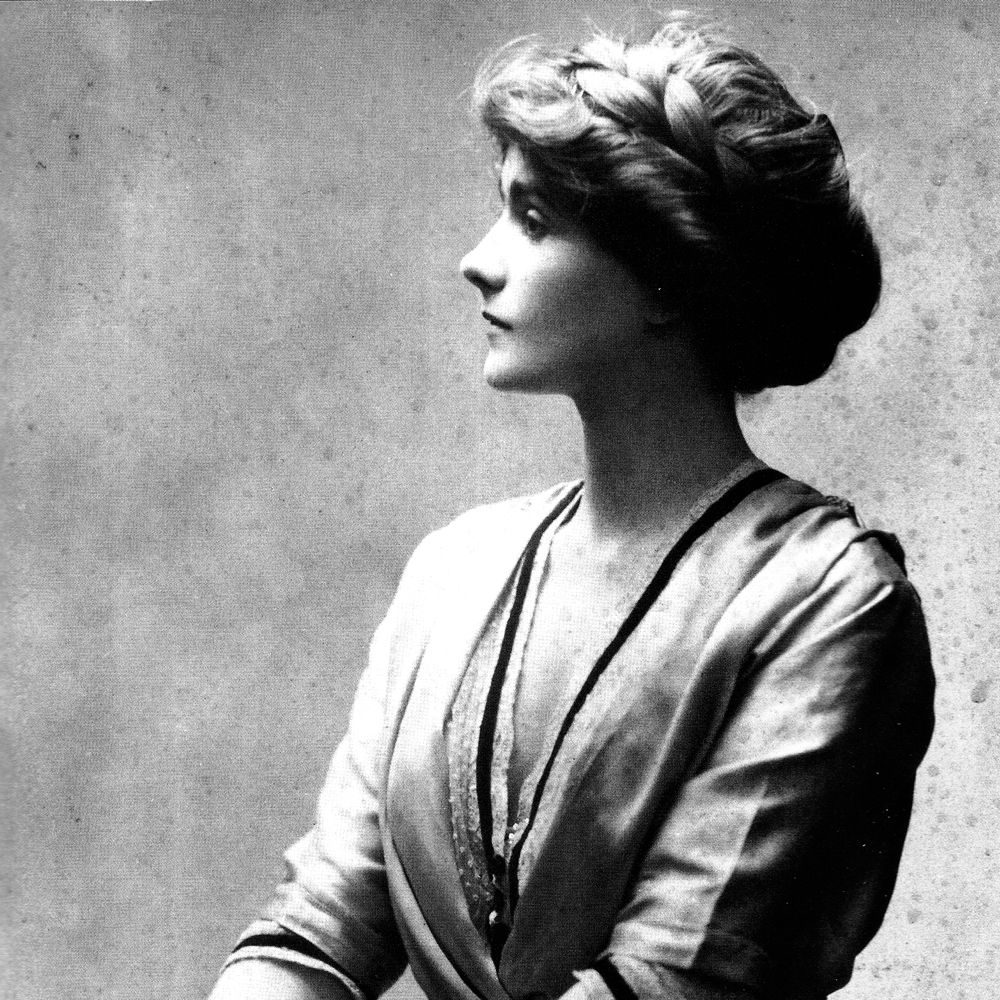
Coco Channel (Designer)
Coco Chanel, born Gabrielle Bonheur Chanel in 1883 in France, revolutionized the fashion world with her timeless style and innovative designs. Known for her chic, minimalist aesthetic, Chanel transformed women’s fashion by introducing comfortable yet elegant styles that broke away from the restrictive corsets and elaborate dresses of the early 20th century.
Chanel herself embodied the essence of her brand. She was always impeccably dressed, often in her own creations that highlighted both function and form. Her signature look included tailored trousers, simple blouses, classic little black dresses, and costume jewelry, all of which have become staples in the modern woman’s wardrobe.
Her appearance was striking yet understated, with a sharp bob haircut and a usually neutral color palette that emphasized her keen eye for design and detail. Coco Chanel’s personal style and strong personality made her a prominent figure in Parisian social circles and an influential woman in the arts and fashion industries. Her legacy endures in the luxury goods company that bears her name, representing the epitome of style, sophistication, and empowerment for women worldwide.
If you enjoyed this article, feel free to join my page for more content like this one! It’s free!
Thanks for reaching the end of my 3rd blog post!










 Mihaela Claudia P
Leave a comment